Feed is usually the largest running cost in a livestock enterprise, and it is the one most often spent inefficiently. A farm mixing one ration for every animal on site is simultaneously overfeeding the animals that do not need it and underfeeding the ones that do.
Requirements change with stage
- Young, growing stock need protein for tissue growth and cannot use excess energy well.
- Finishing animals need energy to lay down condition, and extra protein at this point is money burned.
- Breeding and lactating females have the highest and most specific requirements of all, and shortfalls here show up in the next generation.
Group by need
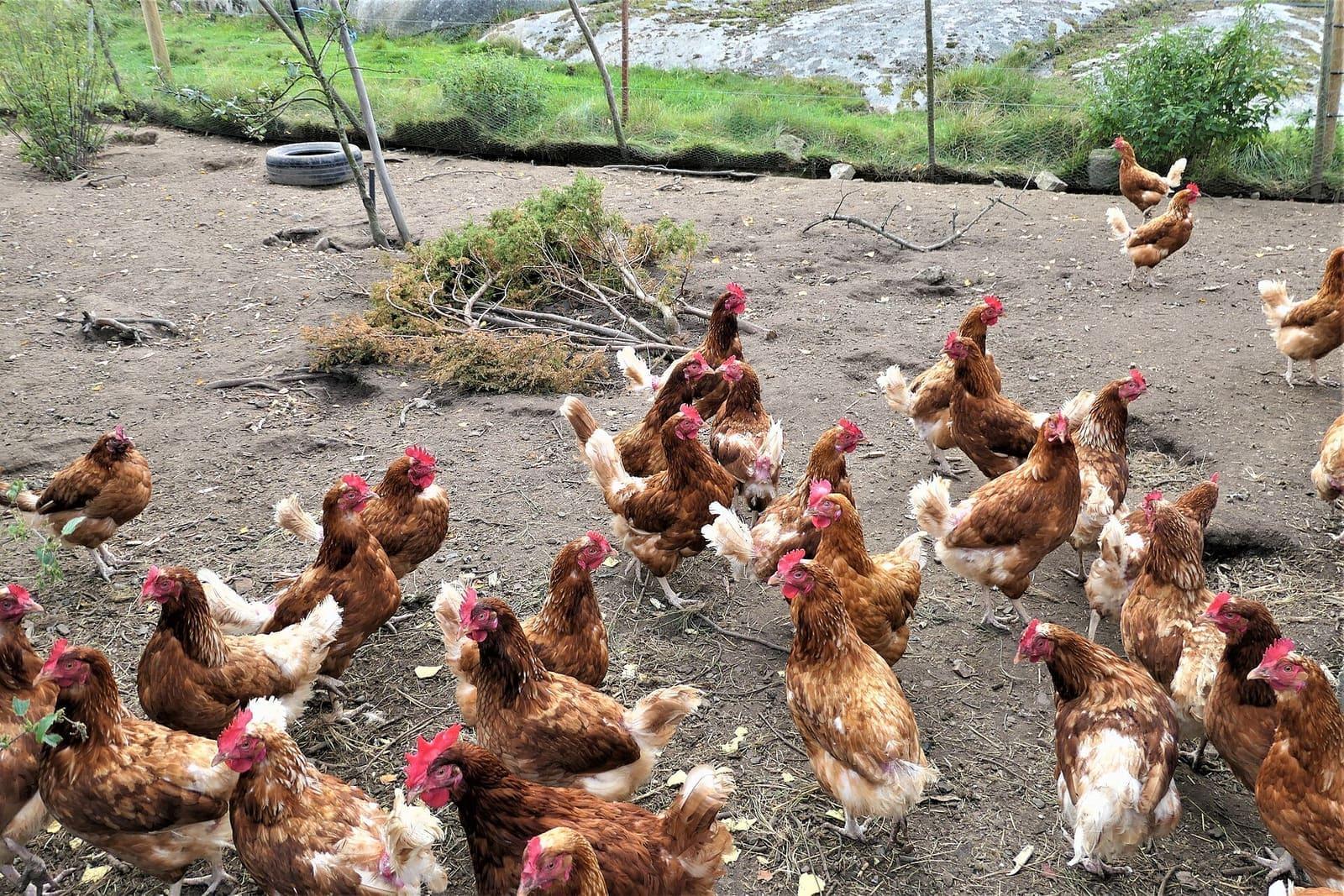
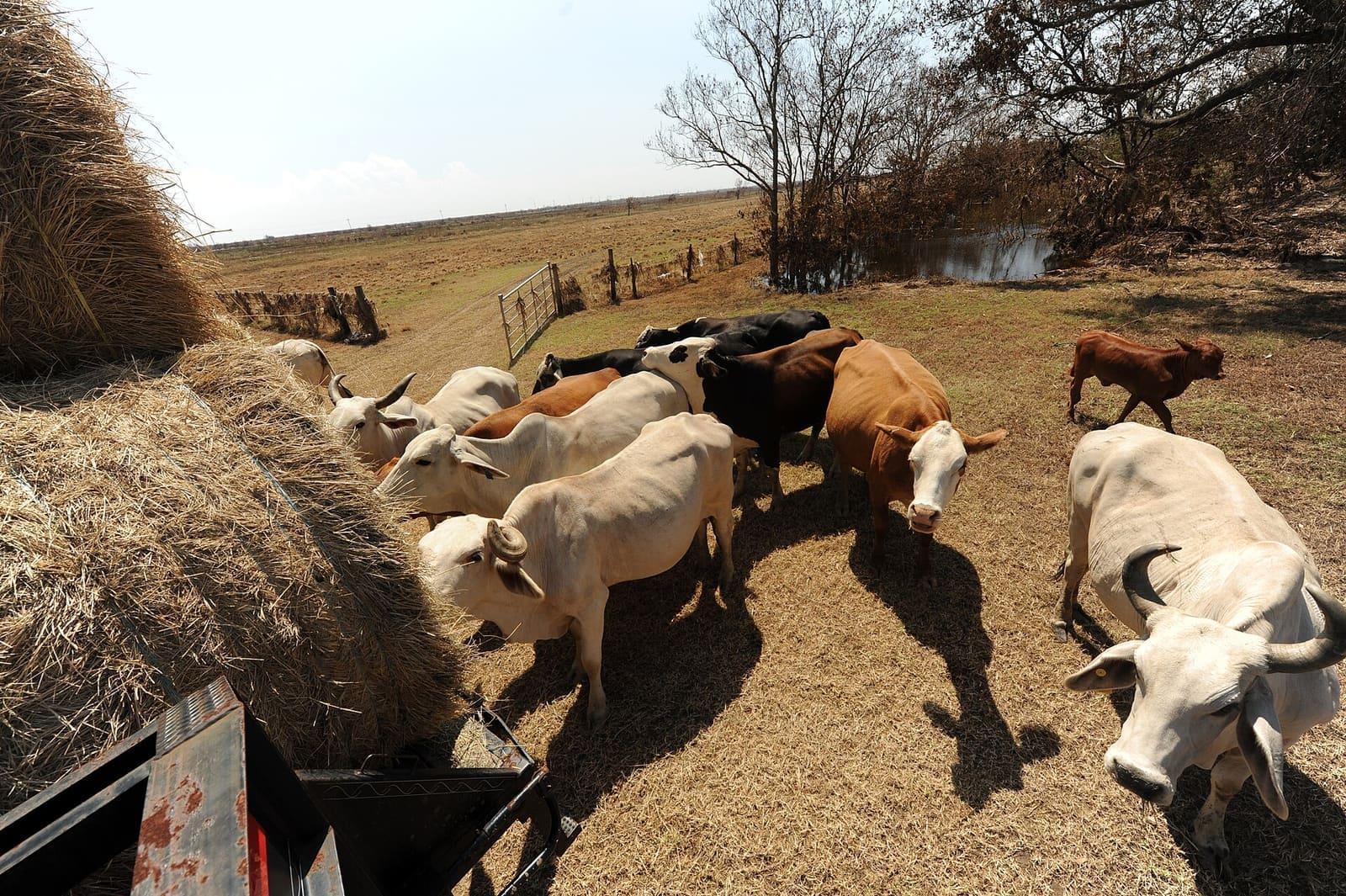
Separating animals into groups by stage is what makes stage-based feeding physically possible. Without grouping, the dominant animals in a pen take the best of whatever is offered regardless of which of them needs it.
Measure the result
Weigh or condition-score regularly. Feed conversion is the number that tells you whether a ration change worked, and it cannot be estimated by looking at the animals. Farms that record intake against growth find their own answers faster than farms relying on impressions.
Water is the nutrient most often ignored and the one that limits intake first.
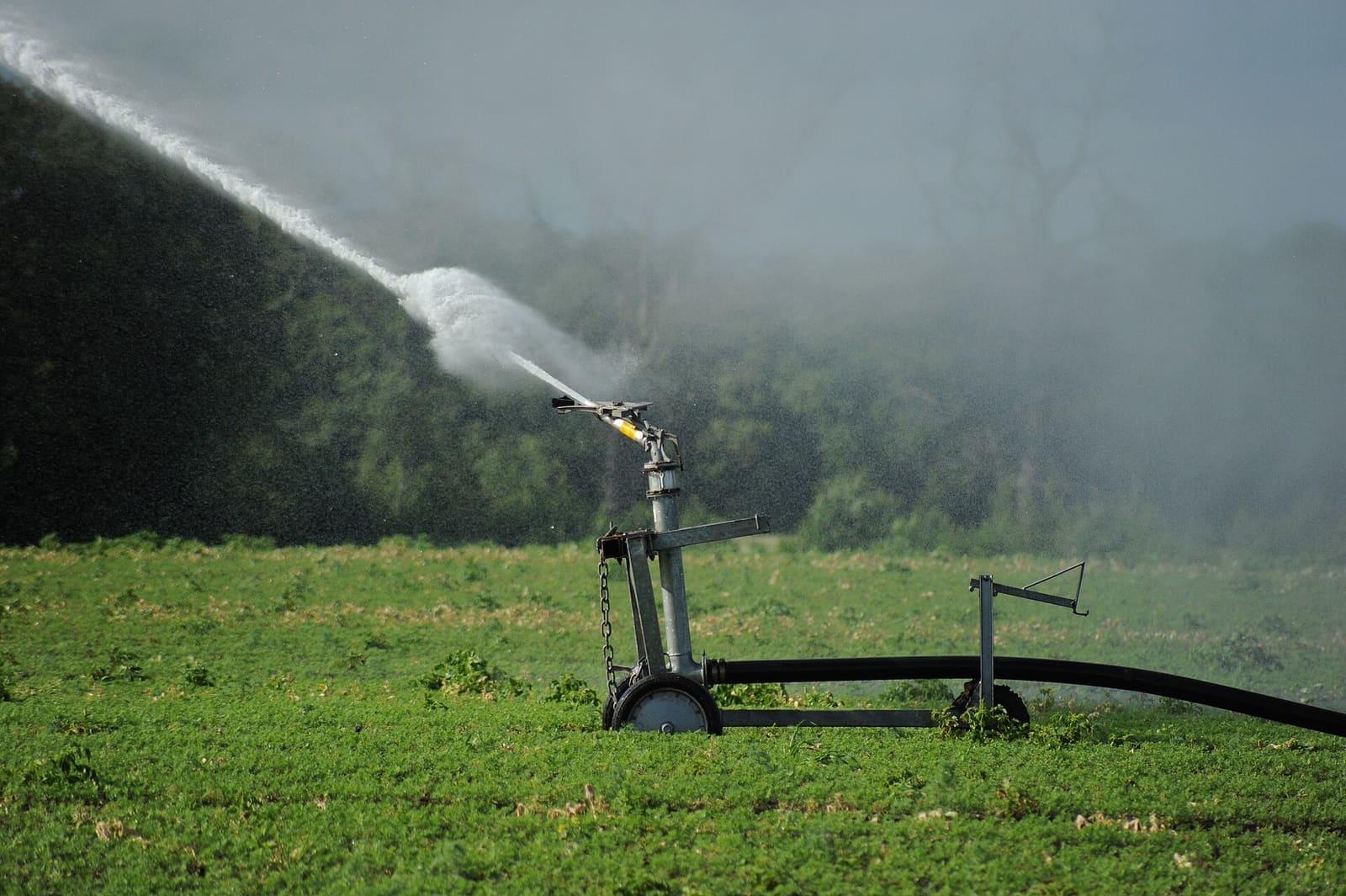
Finally, check water. Restricted or dirty water reduces feed intake immediately, and no ration adjustment compensates for it.