Rainfall has become less predictable in both timing and distribution, which puts pressure on farms that plan around a single expected season. Climate-smart agriculture is the practice of building an operation that still works when the season does not arrive on time.
Protect the soil surface
Bare soil loses water and structure quickly. Mulching, cover cropping and reduced tillage all keep the surface covered, which holds moisture through dry spells and reduces erosion when rain arrives heavily rather than steadily.
Diversify what is in the ground
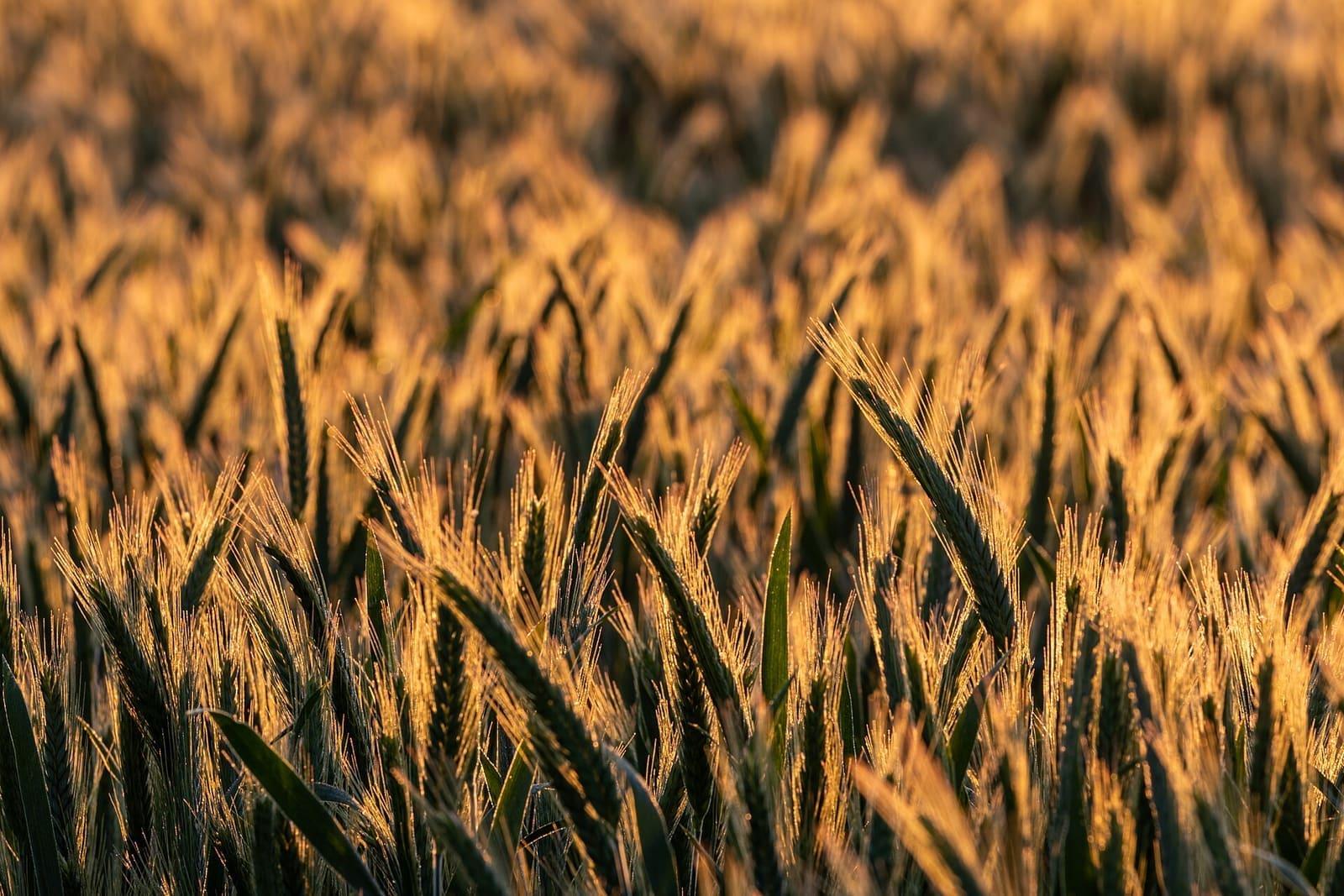
- Mixing crops with different water needs and maturity dates spreads the risk across the season.
- Rotation breaks pest and disease cycles that build up under continuous single cropping.
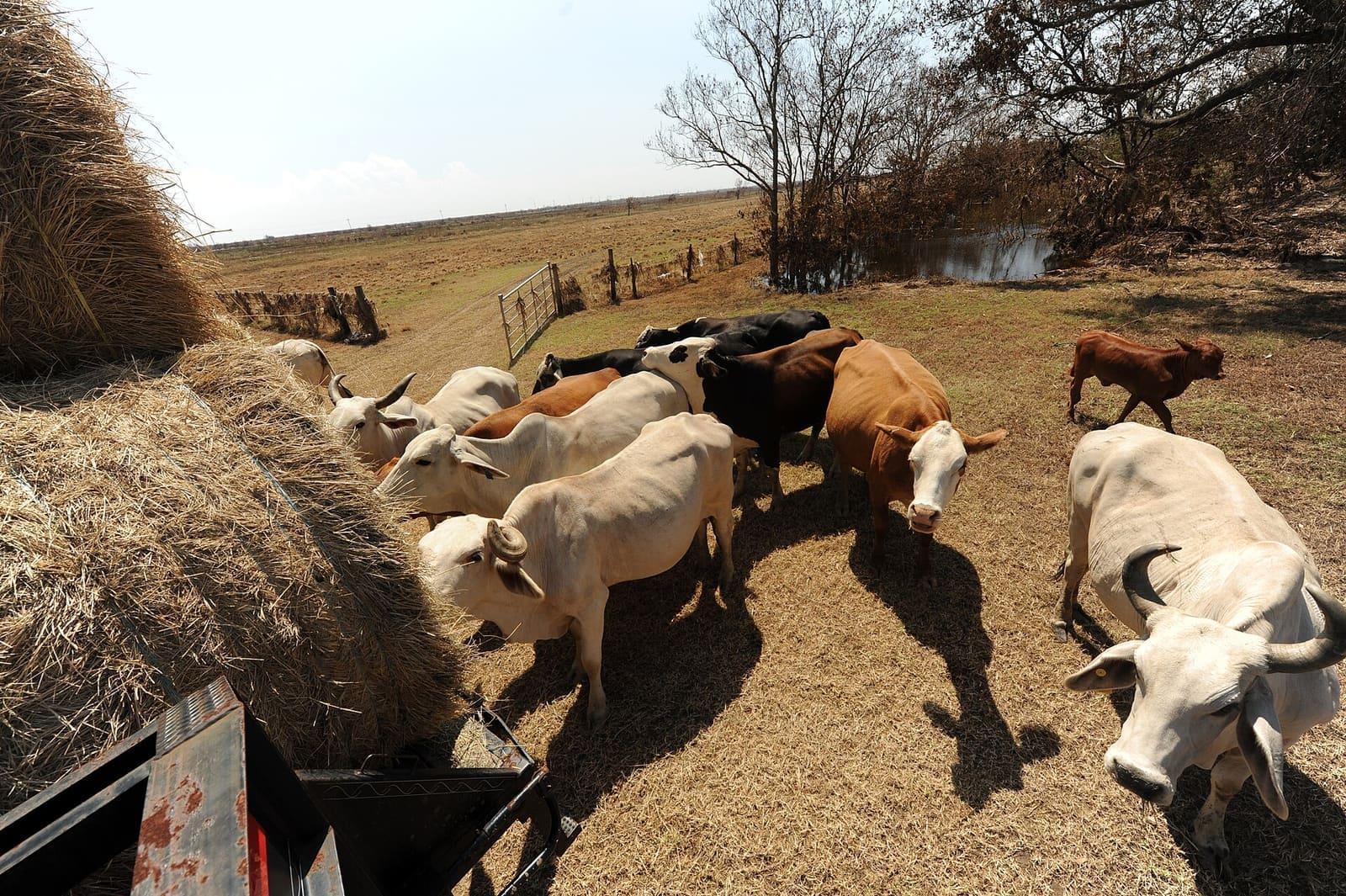
- Integrating livestock adds an income stream that does not fail on the same schedule as the crop.
Capture and manage water
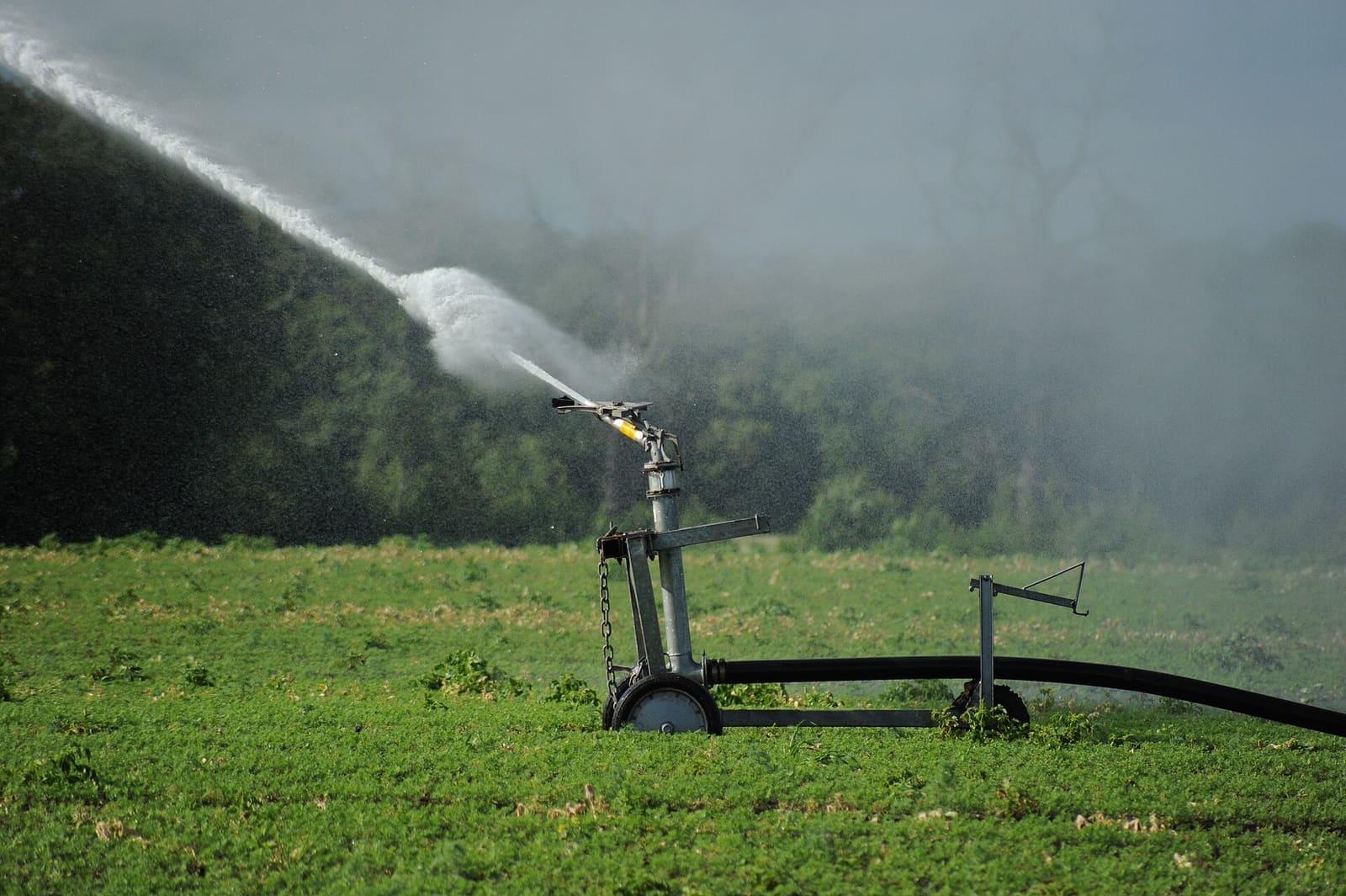
Simple water management — contour planting, drainage that directs water rather than letting it cut channels, and any form of on-farm storage — changes how a farm handles both too much rain and too little.
None of these require new technology. They require deciding on them before the season starts, because most cannot be implemented once the rain is already falling.